Describe the Effects of Water-borne Illness
Effects of Waterborne Diseases. The effects and symptoms of Water-Borne illness is first cramps diarrhea vomiting dehydration.
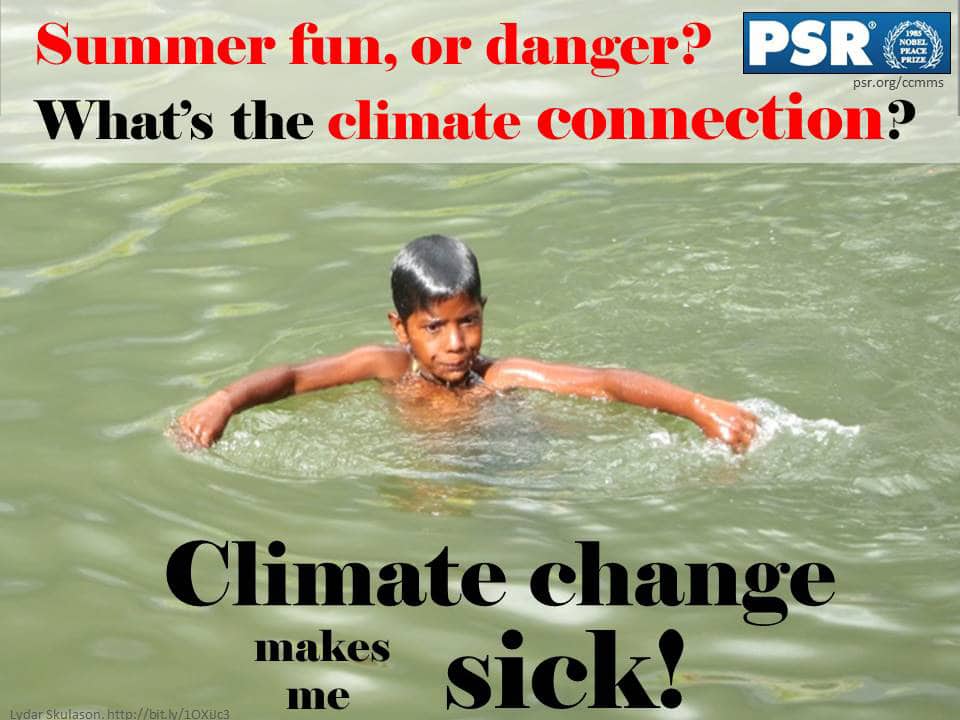
Climate Postcards Water Borne Illness Psr
Waterborne diseases are impacted by a countrys economy and also impact the economy by being costly to deal with.
. The presence of contaminants in water can lead to adverse health effects including gastrointestinal illness reproductive problems and neurological disorders. In 2015 alone a study revealed that waterborne. 6 rows Harmful algal blooms caused by cyanobacteria were responsible for nearly half of all reported.
Cramps fatigue muscle aches vomiting and fever occurred more frequently in the laboratory-tested individuals. This paper is intended through reviewing the available literature to highlight environmental. Clean drinking water is important for overall health and plays a substantial role in infant and child health and survival 3456.
It can cause contamination of drinking water thereby contributing to waterborne illnesses. The symptoms include dizziness dehydration pale skin and loss of consciousness in severe. Nya worries about Akeer because she is too exhausted to even complain.
Effects of improved water supply and sanitation on ascariasis diarrhea dracunculiasis hookworm infection schistosomiasis and trachoma external icon. Water pollution also affects the. In Chapter Seven Akeer sleeps on the floor whimpering.
Bull World Health Organ. Diseases as a cause of death and illness killing 18 million and causing approximately 4 billion cases of illness annually. She and many others in the group complain of stomach cramps or diarrhea which are both effects of water-borne illness.
They take birth in water. Diarrhea Stomach aches or pain Dehydration Nausea and vomiting Gas Weight loss. The most common of all water-borne diseases diarrhea mainly affects children below five years of age.
Symptoms in humans typically occur within 10 days of infection and can include. The length of time a person is sick depends on the cause of their illness. Floods droughts heavy storms changes in rain pattern increase of temperature and sea level they all show an increasing trend worldwide and will affect biological physical and chemical components of water through different paths thus enhancing the risk of waterborne diseases.
Water pollution drastically affects human health. Infants young children pregnant women the elderly and people whose immune systems are compromised because of AIDS chemotherapy or transplant medications may be especially. Because water systems often serve large numbers of people outbreaks of disease can also be very large.
Reference this Share this. Subsequently our state and local health departments with the assistance of the Centers for Disease Control and Prevention CDC fielded 11 investigational teams to study and characterize what would be the largest documented waterborne outbreak in US. The World Health Organization 7 estimated that globally about.
Diseases spread by unsafe. Temporal distribution of the two patient classes was virtually identical Mac Kenzie et al 1994b. Symptoms can be mild lasting several weeks or can be severe enough to last months.
Waterborne pathogens in the form of disease-causing bacteria and viruses from human and animal waste are a major cause of illness from contaminated drinking water. Some people become dehydrated from losing too many fluids during vomiting and diarrhea plus they may have trouble eating. While diarrhea and vomiting are the most commonly reported symptoms of waterborne illness other symptoms can include skin ear respiratory or eye problems.
7 describe the effects of water-borne illness. The symptoms of physical and chemical causes of illness and injury will vary considerably. Esrey SA Potash JB Roberts L Shiff C.
This stool is sometimes referred to as rice-water stool. Severe fluid losses quickly result in hypovolemic shock a very dangerous and deadly condition. Stool cultures and blood tests show evidence of cholera infection.
The following are the effects of water pollution. Most people get well in two or three days without seeing a doctor. Many of the pathogens that cause foodborne illness also cause waterborne disease.
The watery diarrhea of cholera is gray cloudy and without odor pus or blood. Children suffer the most from diarrhoea with every episode reducing calorie and nutrient uptake setting back growth and development. With the effects of unclean drinking water because water-borne diseases are a major cause of morbidity and mortality 12.
They usually occur within 2 to 6 weeks of infection and can include tiredness muscle soreness loss of appetite fever stomach ache light-colored stool dark yellow urine and. Any waterborne illness causing agents. Rapid Hypothesis TestingNursing Home Study.
If You Get a Waterborne Illness. This has implications for waterborne diseases as high temperatures can alter pathogen survival replication and virulence heavy rainfall events can mobilize pathogens and compromise water and sanitation infrastructure and drought can concentrate pathogens in limited water. Cholera has been a known disease in the world and two emerging.
Many of the emerging pathogens nowadays are waterborne ie. Foreign objects in food can cause broken teeth or internal bleeding. In fact it can kill.
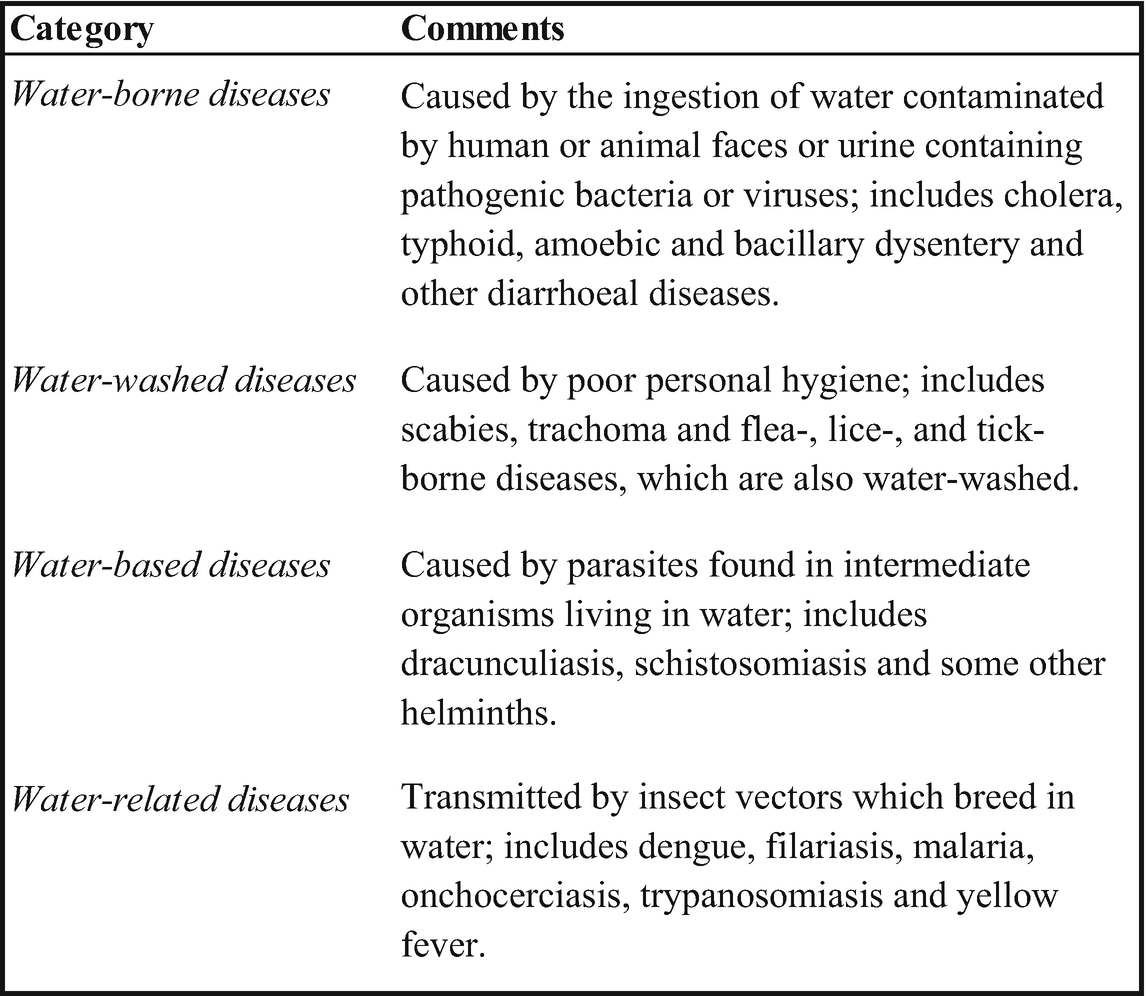
Water Borne Diseases Springerlink
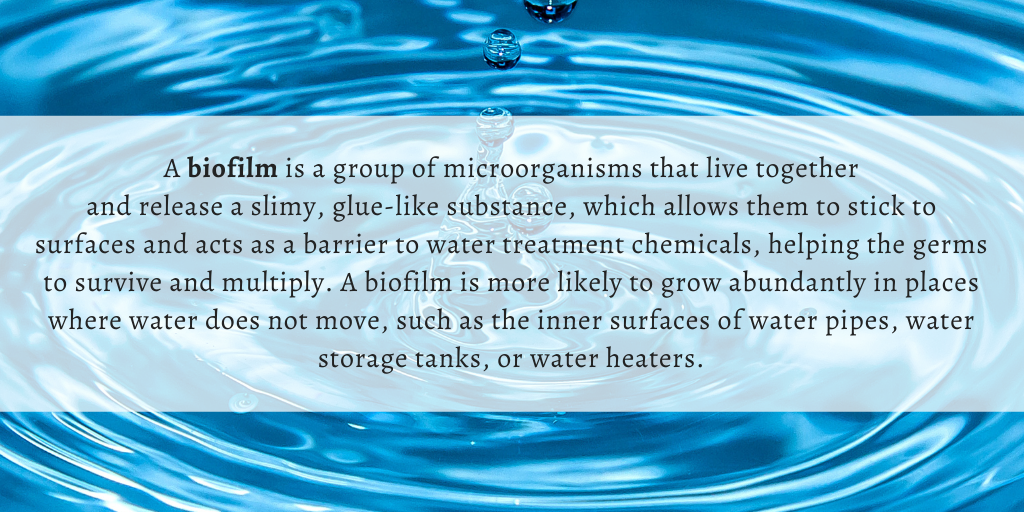
Cdc S Burden Of Waterborne Disease Estimates Naccho

Water Related Illnesses Climate Change And Human Health
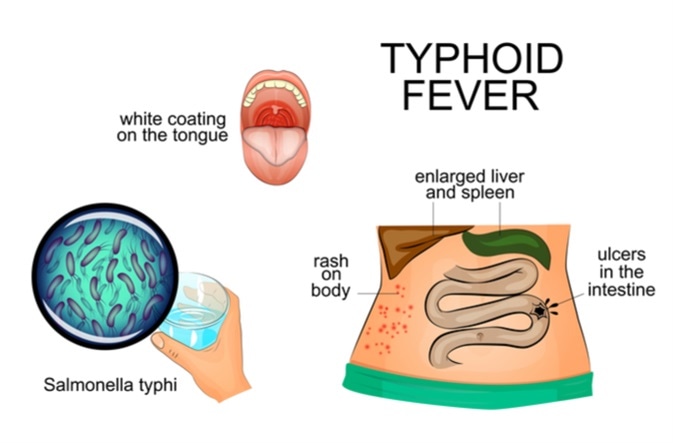
Water Borne Diseases


Comments
Post a Comment